
 The holiday season is a joyous time when you can enjoy family gatherings, a meal with loved ones, and exchanging gifts. Nothing can throw a wrench in your holiday plans quite like experiencing a dental emergency in the midst of this. These emergencies don’t just lead to a little bit of pain; they can completely derail any plans you had for the holidays.
When you’re facing a dental emergency, especially during the holiday season, knowing what to do can make a world of difference. Panicking can lead to exacerbated discomfort and more significant tooth damage. But what should you do in this situation to protect your smile as you wait to see your trusted dental team?
In this blog, we’ll guide you through the steps to address a dental emergency to ensure you’re safe from long-term smile problems and discomfort.
Common Dental Emergencies That Can Happen During the Holidays
While dental emergencies can happen at any time, the holiday season seems to be a common time of year for a few specific emergencies. The most common emergencies patients tend to experience during the holiday season include:
- Cracked or Broken Teeth: Biting down on hard candies, nuts, ice cubes, or unpopped popcorn kernels can lead to cracks or complete breaks of already compromised teeth.
- Dislodged Fillings or Crowns: Sticky holiday treats like caramels, toffee, sticky cookies, and nougat can pull out old or weakened fillings or crowns.
- Severe Toothaches: If you were already experiencing tooth pain before the holidays, a decadent holiday meal may exacerbate this problem, leading to increased pain.
- Knocked-Out Teeth: If you are injured during family sports activities, while slipping on ice, or during an accident, you may accidentally knock out your tooth.
- Increased Sensitivity: Colder weather conditions and increased consumption of sugary treats can lead to increased sensitivity and pain.
 What to Do Immediately After a Dental Emergency
The things you do in the moments immediately following a dental emergency can make a world of difference in your long-term comfort and health. Panicking or reacting inappropriately can result in potential tooth loss or worsening problems. The first step in treating a dental emergency is to manage any potential bleeding.
Apply firm pressure to injured tissue using sterile gauze to eliminate any immediate bleeding. If you are missing a tooth, the next step should be to find and clean the tooth. Grab the tooth by the crown (never the root) and clean it with saline or milk. If possible, reinsert the tooth into the socket. Otherwise, place it in a container of saliva or milk, and head to the dentist.
From this point, gently rinse your mouth with warm saltwater (1 teaspoon of salt to one cup of warm water) for 30 seconds. You may also want to incorporate an over-the-counter pain medication to alleviate pain and reduce swelling. Finally, reach out to your trusted dental team to schedule an appointment.
When you’re dealing with a dental emergency, time is of the essence. If it is possible, try to get to the dentist within one hour of the emergency. If it is after hours and you can’t get in to see your dentist until the following day, you may want to consider heading to the emergency room to address any immediate, significant concerns.
Managing Dental Pain and Discomfort Until Your Appointment
The hardest part of dealing with a dental emergency is the immediate discomfort. Managing your pain before your appointment can help you preserve your smile and avoid more complex problems. If you’re trying to manage post-emergency dental pain, try the following:
- Over-the-Counter Pain Medication: The best way to manage your pain is by using over-the-counter pain medication, either acetaminophen or ibuprofen, as instructed to eliminate your discomfort and reduce swelling.
- Cold Compress: Use an ice pack or cold cloth wrapped in a towel to the outside of your cheek in the affected area for 15 to 20 minute intervals to numb any significant discomfort and lower swelling.
- Saltwater Rinses: In addition to icing and using OTC pain medication, consider rinsing your mouth with warm saltwater a few times throughout the day to reduce bacteria presence and help alleviate swelling.
- Careful Flossing: If you’re dealing with potentially trapped food debris or plaque, you can try to gently floss between your teeth. However, be mindful not to floss too hard, as this can damage otherwise sensitive tissues.
How to Find Emergency Dental Care During the Holiday Season
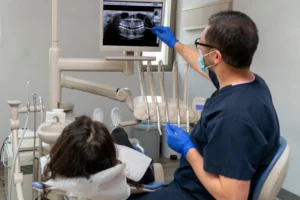 Finding emergency dental care during the holiday season can be challenging, especially when many dental offices have limited hours. However, knowing where to turn before a dental emergency happens can help you avoid unnecessary delays. Start by contacting your dentist to see if they offer emergency appointments or have an after-hours contact number.
If your dentist is unavailable, look for local dental practices that specifically advertise emergency dental services and confirm their holiday availability. When choosing a dental team, prioritize offices that can accommodate urgent appointments and provide treatment for issues like broken teeth, severe toothaches, and knocked-out teeth.
You should also ask about appointment availability, potential treatment costs, and what steps to take while waiting for care. If you experience severe swelling, uncontrolled bleeding, or difficulty breathing or swallowing, seek immediate emergency medical attention rather than waiting for a dental appointment.
Preventing Dental Emergencies While Celebrating the Holidays
Although it can be difficult to completely avoid dental emergencies, there are things you can do to protect your smile. A bit of extra care can go an incredibly long way toward protecting your long-term oral health. If you want to ensure your smile is safe during the holiday season, make sure to do the following:
- Limit Hard or Sticky Foods: While hard candies, nuts, and caramels are delicious holiday treats, it is best to limit your consumption of them whenever possible.
- Avoid Using Your Teeth as Tools: Never use your teeth as tools to open packaging, remove tags, or pull off gift tags, as this can lead to risks to your enamel.
- Rinse After Having Sweets: After enjoying cookies, candies, pies, and other sweets, make sure to rinse your mouth to remove any lingering food particles and bacteria.
- Schedule a Pre-Holiday Visit: Reach out to a dentist before the holidays to schedule a cleaning and exam to catch minor problems before they lead to a dental emergency.
 Turn to North View Dental When You’re Dealing with a Dental Emergency
The last thing you want to worry about during the holiday season is a dental emergency, but with the support of a trusted dental team, you can rest assured that relief is within reach. If you’re looking for a reliable dental team in North Ogden, Utah, don’t hesitate to turn to our team of professionals at North View Dental for emergency care.
We understand that time is of the essence in these situations, and that professional care can make a world of difference. If you’re dealing with a cracked tooth, inescapable pain, or major tissue damage, trust that we’re here to help. With our team on your side, you can avoid chronic discomfort and worsening health conditions.
If you would like to schedule an appointment to address a dental emergency, don’t hesitate to reach out to our team today.
