
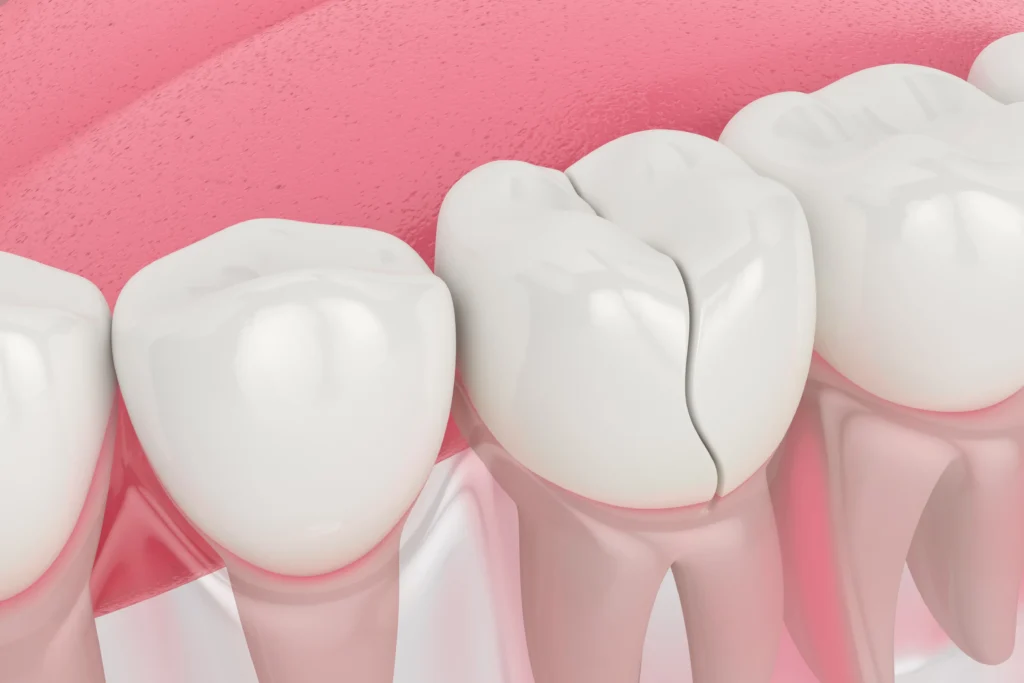
 When you’re experiencing a cracked tooth, it can lead to significant pain and make it difficult, if not impossible, to focus on day-to-day activities. Whether you’re dealing with a small crack or something that stretches down to the root, it is essential that you turn to your dentist for immediate, comprehensive care. But what can they do?
You may worry that there isn’t anything your dentist can do to treat your cracked tooth, and that extraction is your only option. However, as daunting as this dental injury is, there are a few reliable treatment options to restore the appearance and function of your tooth. If you have a cracked tooth, keep reading to learn how your dentist treats this injury.
How Do You Crack a Tooth?
Cracking a tooth can be an incredibly uncomfortable experience, but some dental patients may not even realize it has happened. There are a few common ways that dental patients can crack their teeth, including:
- Chewing on hard objects or foods, including ice, pen caps, popcorn kernels, nuts, and hard candies.
- Untreated bruxism, especially after years of involuntary grinding that places repeated stress on your teeth.
- Weakened teeth, especially following dental procedures for large dental fillings, decay, or root canals.
- Physical trauma from falls, sports accidents, or car accidents that cause direct damage to your teeth.
- Aging, especially if you’ve dealt with oral health problems over time, though they naturally become more brittle in adults over 50.
If you are experiencing pain when eating, extreme sensitivity to hot and cold foods and drinks, or intermittent, localized pain, this may be an indication that you’re experiencing a cracked tooth.
 How Does a Dentist Treat a Cracked Tooth?
The treatment for a cracked tooth depends on the severity and location. A minor crack, often called a craze line, may only penetrate the outer enamel and requires no treatment beyond polishing and monitoring. For cracks that extend into the dentin but haven’t reached the pulp, your dentist will use a dental filling to seal the crack and prevent further damage or decay.
If the crack is more substantial, a dental crown is the most common and effective solution. A crown covers the entire visible portion of the tooth above the gum line, holding the compromised tooth together and protecting it from the extreme pressures of chewing, thereby preventing the crack from spreading.
However, if the crack reaches the pulp, the nerve center of the tooth, a root canal is necessary before a crown can be placed. This treatment removes the damaged pulp, cleans the root canal, and seals it, saving the tooth structure while eliminating pain and infection. In cases where the crack extends below the gum line or the tooth is split completely an extraction is the best option.
How Much Does It Cost to Treat Cracked Teeth?
The cost of treatment for a cracked tooth will vary depending on your recommended treatment and insurance coverage. In some cases, it can cost as little as $100 for minor treatment options. However, if you are dealing with more significant cracks, you can expect to pay upwards of $3,000 or more, especially if you need extraction.
Your dental team should provide you with a more approximate estimate during your initial consultation with your dentist. In many cases, your dental team will offer payment plans. These plans can ensure you seek appropriate dental treatment for these cracks instead of putting it off until the problem becomes more significant.
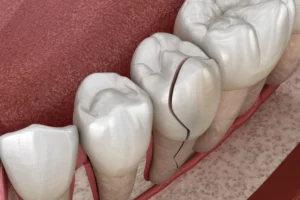 Can You Skip Treatment for Cracked Teeth?
If you’ve recently noticed that you have a cracked tooth, you may be on the fence about seeking treatment. You may believe that because you aren’t currently experiencing pain, you can safely go through day-to-day life without risk of complications. However, choosing to put off care for cracked teeth can have devastating consequences.
When you put pressure on an already compromised tooth, this can lead to the crack worsening or the tooth breaking. This crack also creates the perfect place for bacteria to grow. If you’re dealing with a significant crack, this may mean that you’ll experience bacteria growth in the tooth’s inner pulp, leading to infection, pain, and potential tooth loss.
Although it can be tempting to put off care for a cracked tooth, it is always best to contact your dentist as soon as this damage appears. Even if your cracked tooth is only mildly cracked, it is always best to talk to your dentist and make them aware of the problem immediately. This gives you time to make restoration plans and prevent long-term complications.
What are Your Restoration Options for Extracted Teeth?
While your dentist will do everything in their power to protect your natural teeth, there are some circumstances where they cannot save it and extraction is your best option. Once extracted, you have a few restorative options to address the new gap in your teeth, including:
- Dental Bridge: For people who are missing one or more teeth who may not have enough bone tissue to support an implant, bridges may be the best option. This prosthetic attaches to the neighboring teeth, bridging any gaps in your mouth, and blends seamlessly with your natural teeth.
- Dental Implant: If you have enough bone tissue for this restorative option, it is the best, most comfortable way to restore your smile appearance and function. Dental implants fuse with your bone, allowing you to enjoy the benefits of prosthetics without worrying about it moving throughout the day.
 Treating Cracked Teeth in North Ogden
Whether you’re dealing with a small crack or major damage to your teeth, it’s essential to work with a trusted dental team through the recovery process. If you’re dealing with a cracked tooth, turn to our team at North View Dental for expert support. For years, we’ve provided comprehensive dental care to patients across North Ogden and beyond, and we’re confident that we can do the same for you.
If you need help addressing dental pain, including pain caused by a cracked tooth, don’t hesitate to contact us for support today.

