
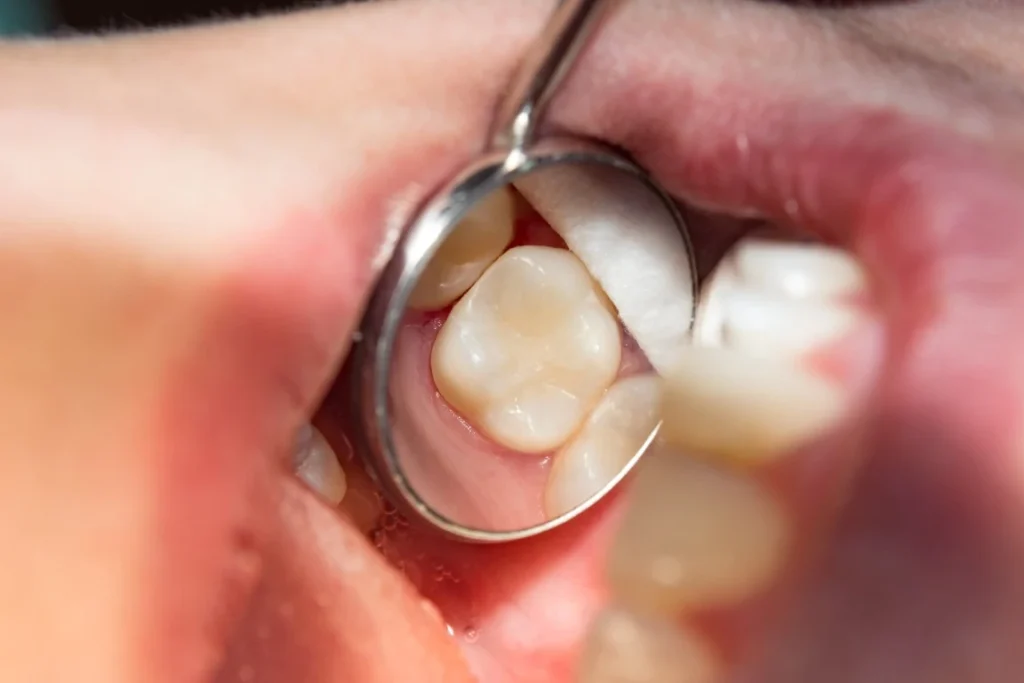
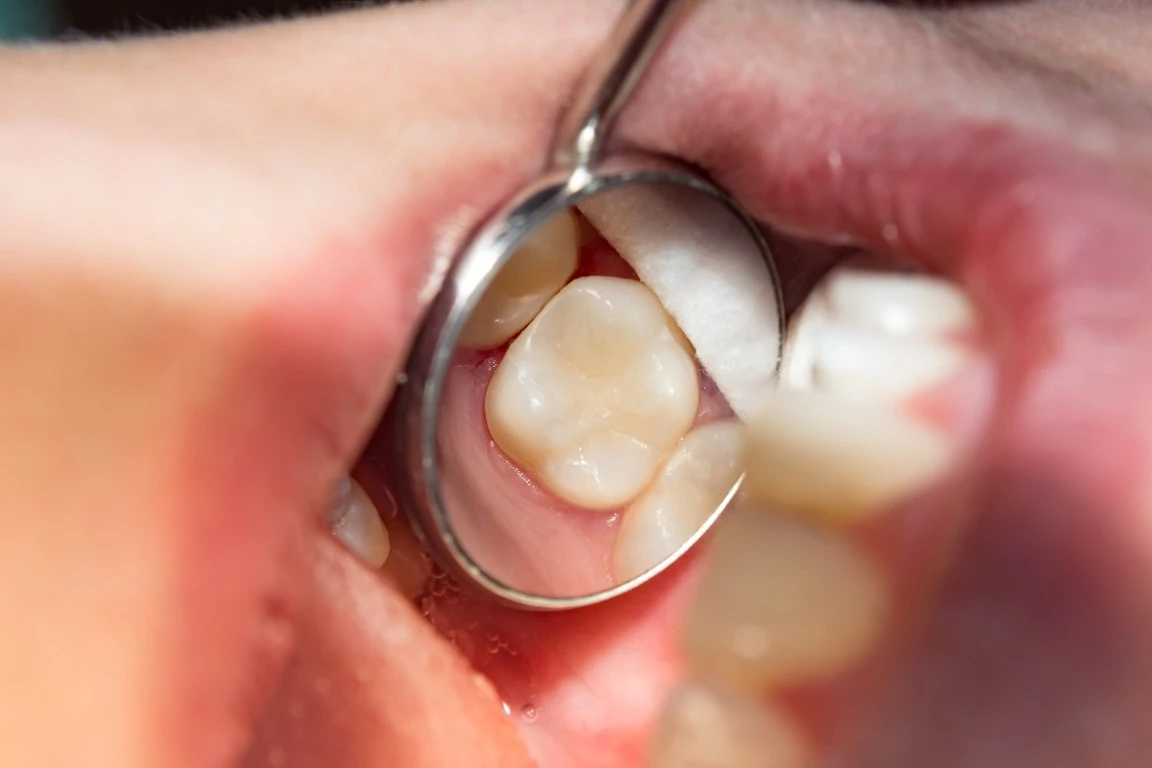
Dental fillings are one of the most common restorative treatments dentists perform, yet many people are unsure what they involve or when they are truly needed. If your dentist has recommended a dental filling, it is normal to have questions about the process, the materials used, and what to expect afterward.
Understanding how dental fillings work can help you feel more confident and prepared before your appointment. In this blog, we’ll walk through everything you need to know about a dental filling, from what fillings are to how to take care of your teeth in the days following your appointment to ensure you can adequately prepare for your upcoming appointment.
What are Dental Fillings and Why Do You Need One?
Dental fillings are materials used to repair a tooth that is damaged by a cavity, decay, or small fractures. When you’re experiencing a cavity, leaving this damaged enamel can act as a reservoir for bacteria. This damaged section of your tooth can attract additional bacteria, increasing the damage to your tooth.
Instead of leaving it to become more damaged, your dentist will grind down these areas across your tooth. Any section that is worn away will be filled with a composite resin, porcelain, or amalgam material. While avoiding further decay is a great reason to get a filling, it is also important for restoring oral function.
Without a dental fillings, you may experience increased sensitivity throughout the day. You may find yourself avoiding eating, talking, and spending time with your loved ones due to this discomfort. While getting a dental filling can be daunting, getting it is the best step for improving your overall oral health.

Common Signs You May Need a Dental Filling
Recognizing the early signs that you might need a dental filling is crucial for preventing further damage and more intensive dental work. If you notice any of the following signs, it’s time to reach out to a trusted dental provider for expert support:
- Tooth Sensitivity: One of the clearest signs that you need a filling is sensitivity when eating and drinking. This includes discomfort when biting down or consuming especially hot, cold, acidic, or sweet foods and drinks.
- Holes and Pits: If you notice major changes in the appearance of your teeth, including deep pits, holes, and changes in the color of your tooth, this may be a sign that you need to reach out to your dentist.
- Rough Tooth Surface: Your teeth are naturally very smooth. When it is damaged, the surface of your tooth may become rough or uneven to tough, and floss may shred when you floss between the damaged teeth.
- Food Debris: Dental patients who need a dental filling may also notice food getting caught in the same spots on your teeth, which may indicate that there are deep pits or cracks where it can accumulate.
Types of Fillings: Which is Right for You?
If your dentist has recently recommended a dental filling, there are a few different materials you may be able to choose from. In some cases, your dental team will choose the material for you. However, if you have the choice, there are a few materials you can choose from, including:
- Composite Resin: This tooth-colored material is made of plastic and glass particles, and blends seamlessly with your natural teeth, but may not have the longest expected lifespan if you don’t stick to excellent oral hygiene practices.
- Silver Amalgam: These dental fillings are an incredibly durable and cost-effective way to strengthen your back teeth. However, if you are concerned about the appearance of your teeth, this can impact smile aesthetics.
- Ceramic: Like resin, ceramic blends well with your natural teeth, and is highly resistant to staining. They are more expensive than other filling materials, which may make them unappealing if you’re working on a limited budget.
- Gold: Gold fillings are highly durable and can last for decades, often outperforming other materials. While expensive, they are well-tolerated by gum tissue and do not corrode, though their color can impact aesthetics.

What to Expect During a Dental Filling Appointment
Getting a dental filling is a straightforward and common procedure designed to be as comfortable as possible. Your dentist will begin by numbing the tissue around the tooth to help you avoid discomfort. Once you’re properly numbed, they will carefully remove any damaged portions of your teeth.
After it is removed, the space is cleaned and prepared for the filling material. The material is applied layer by layer and carefully shaped to match the contours of your natural tooth. If you receive a composite (tooth-colored) filling, a special light will be used to quickly harden the material. Finally, the dentist polishes the filling, ensuring your bite feels normal and comfortable.
How to Care for Your Teeth After Getting a Filling
The most important care steps occur immediately after your appointment. Since your mouth will likely still be numb from the anesthetic, avoid chewing until the numbness completely wears off. This prevents accidentally biting your tongue or cheek. It’s also normal to experience some temporary sensitivity to hot and cold temperatures in the days following the procedure.
Taking proper care of your filling in the long-term ensures it lasts for its anticipated lifespan and protects your overall oral health. There are a few things you can do to protect a dental filling long-term, including:
- Avoid Sticky and Hard Foods: For the first 24 hours, stick to soft foods. In the long term, minimize consumption of very hard candies, ice, and sticky caramels, as these can chip or pull out the filling.
- Maintain Excellent Oral Hygiene: Brush gently but thoroughly twice a day with a fluoride toothpaste and floss daily. Pay special attention to the area around the new filling to prevent tooth decay from forming again.
- Manage Post-Procedure Pain: Over-the-counter pain relievers like ibuprofen or acetaminophen can help if you experience minor soreness.
- Regular Dental Check-ups: Continue seeing your dentist every six months. They will check the integrity of your filling and your surrounding teeth, catching any issues early.

Protect Your Smile at North View Dental
Whether you’ve noticed signs that you might need a dental filling or you’re simply due for your regular check-up, North View Dental is here to support your oral health journey. Our friendly team provides expert, comfortable care for every smile. With years of experience, we’re confident that we can help you protect your smile from major damage.
If you would like to schedule an appointment with our team, don’t hesitate to contact us today.

