
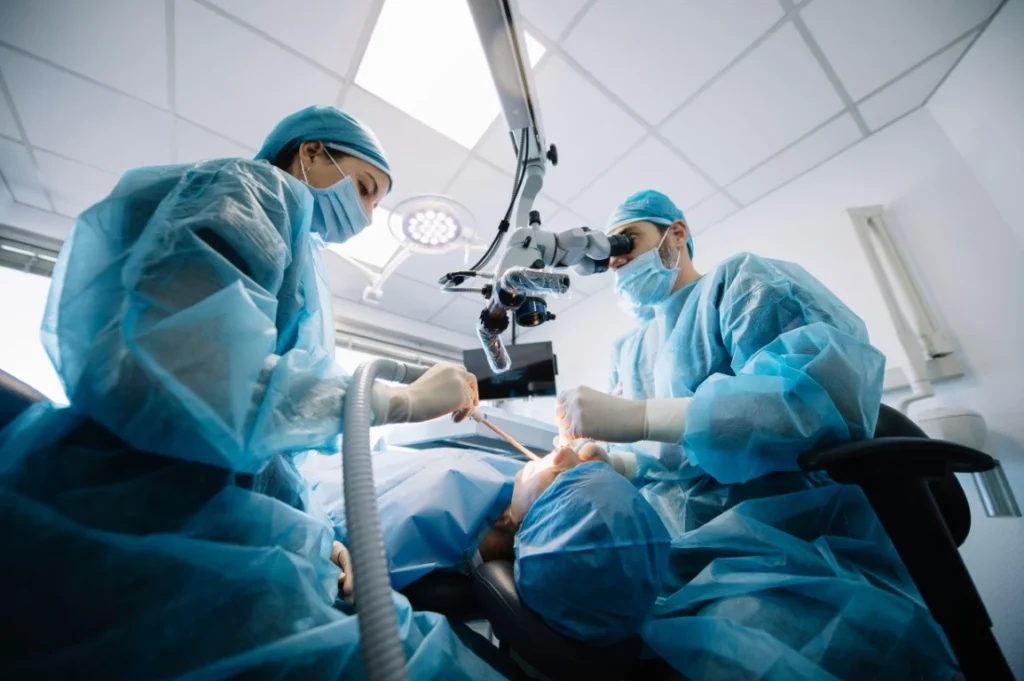
An estimated 30% of Americans are born with at least one wisdom tooth. While removal isn’t always necessary, there are some people who will experience enough complications with the teeth that removal becomes their best course of action. Although this procedure can be daunting, it is always best to heed the advice of your trusted dental team.
However, some patients may still choose to delay wisdom tooth removal. Whether due to anxiety or the belief that removal isn’t crucial, this can be more harmful than you realize. If you’re considering putting off this essential dental procedure, keep reading to learn why putting off this care can be riskier than you realize.
What are Your Wisdom Teeth?
The third set of molars, known as wisdom teeth, typically appear when you are in your late teens or early twenties. Long ago, people needed these extra molars to chew tougher foods, but today, our mouths are often too small to fit these teeth. As a result, wisdom teeth can grow in at an angle, remain trapped beneath your gums, or overcrowd your teeth.
Even though they are a natural part of your smile, their late arrival and the limited space can make them unpredictable. Some people can live comfortably with their wisdom teeth for their entire lives. However, many others will experience complications from their growth, and removal may be your best option for avoiding more complex problems.

Should You Delay Wisdom Tooth Removal?
It isn’t uncommon for dental patients to experience some anxiety leading up to a wisdom tooth removal procedure. In some cases, they may even want to delay wisdom tooth removal. While this may be tempting, it is essential that you don’t put off any suggested dental care, including this essential extraction.
Not every dental patient needs to have their wisdom teeth removed. If your dental team has inspected your current oral health condition and determined that removal is best, you must follow this advice. Although it might not seem all that important, choosing to delay wisdom tooth removal can have devastating consequences on your oral health.
The Risks of Delaying This Procedure
Although you may want to delay wisdom tooth removal, it is essential that you schedule the procedure as soon as your dental team recommends it. There are several significant risks that you face if you choose to delay this procedure, including:
- Infection and Irritation: If they are impacted and causing discomfort, choosing to delay wisdom tooth removal can increase irritation and put you at risk of deep infection, tooth decay, and gum disease in the tooth and surrounding tissue.
- Cyst Development: If you are experiencing infection around the tooth and it goes untreated and you delay removal, there is a chance that you may develop a cyst, which can lead to increased pain and potentially devastating damage to teeth and tissue.
- Sinus Problems: Your upper wisdom teeth can put pressure on your sinuses. As this pressure builds, you are at an increased risk of developing an infection, debilitating discomfort, and untreatable congestion.
- Slower Recovery: When you delay wisdom tooth removal, the roots of the teeth become more deeply embedded and are closer to your nerves, which can lead to a more complex, slow recovery once you schedule this care.
- Bone and Nerve Damage: In the most extreme cases, choosing to delay wisdom tooth removal can lead to major nerve damage in your tongue, chin, and lower lip and jawbone damage.

Why You May Need to Delay Wisdom Tooth Removal
While there may be some risks if you delay wisdom tooth removal, there are a few times when it is best to put off the procedure. One major reason why your dental team may choose to delay wisdom tooth removal is due to a more serious oral health complication, including severely inflamed gums or untreated gum disease.
Undergoing an oral procedure while your gum health is compromised may put you at an increased risk of infection or irritation following the procedure. Before your dentist can move forward, they may prescribe you an antibiotic or an antiseptic mouthwash to help remove any lingering harmful bacteria.
Additionally, while you can get them removed during pregnancy, you may need to delay wisdom tooth removal until the second trimester. Unless it is an emergency, it is best to wait for extraction. If you are in your first trimester and believe you need wisdom tooth removal, it is best to reach out to your dentist for their advice about whether it is best to schedule or delay.
Tips for a Smooth Recovery
If you are getting your wisdom teeth removed soon, there are a few things you can do to ensure a smooth, comfortable recovery. These include:
- Maintain a soft food diet, including yogurt, applesauce, mashed potatoes, and broth.
- Plan for plenty of rest in the 72 hours following the procedure.
- Keep your head elevated when lying down to minimize swelling and bleeding.
- Use ice packs in the first 48 hours to reduce swelling and discomfort.
- Drink plenty of water, but avoid using straws to avoid dislodging blood clots.
- Take all medications as prescribed by your dentist.
- Brush and floss gently after the procedure, taking care to avoid the extraction site.
- Avoid touching the extraction site with your tongue, fingers, and other objects.
While recovering from wisdom tooth removal can be uncomfortable, following this advice ensures you’re doing everything in your power to recover properly.

Let North View Dental Help You Through Your Wisdom Tooth Removal
If you need to schedule wisdom tooth removal in the North Ogden area, don’t hesitate to reach out to our team at North View Dental for support. For decades, we’ve provided comprehensive dental care to patients across the Wasatch Front. Whether your wisdom teeth are impacted, you’re experiencing complications, or you want to remove them before they cause major oral health problems, our team is ready to support you through every step of the process.
When you’re ready to schedule wisdom tooth removal, don’t hesitate to contact our team.

