
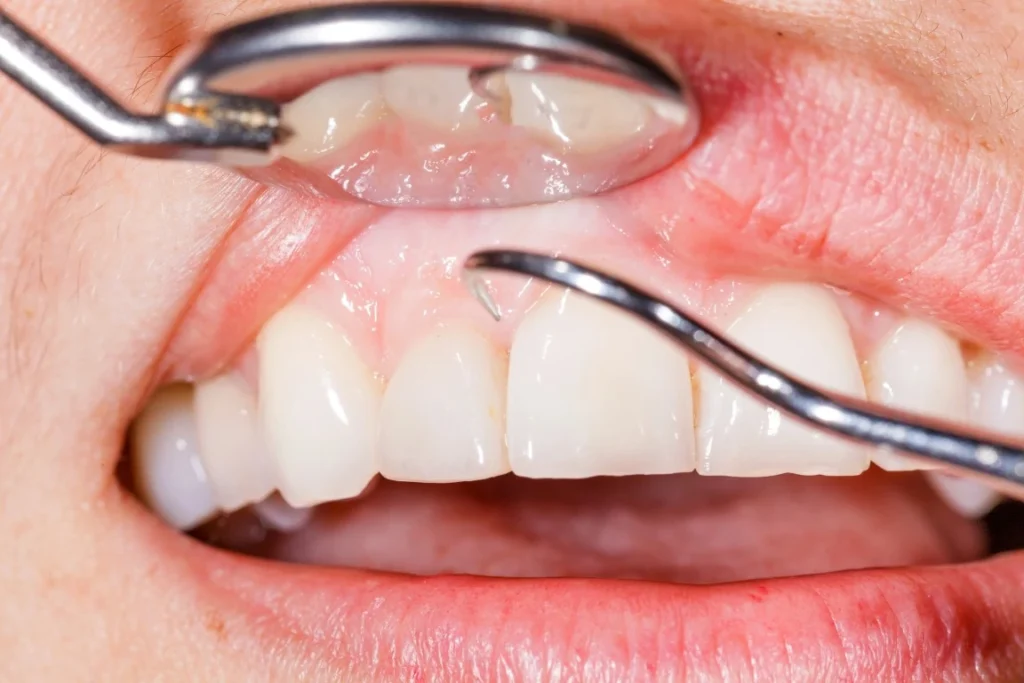
Gum disease may seem like just a dental issue, but its effects go far beyond your smile. Research has shown a strong connection between oral health and overall well-being, especially when it comes to heart health. When gum disease is left untreated, harmful bacteria can enter the bloodstream, leading to inflammation and increasing the risk of cardiovascular problems.
This link makes it clear that protecting your gums is about more than preventing tooth loss; it’s also about safeguarding heart health. By understanding how gum disease contributes to plaque buildup in the arteries and other serious conditions, you can take proactive steps to care for both your mouth and your heart.
What is Gum Disease?
Gum disease, also known as periodontal disease, is a condition in which the gum tissue surrounding the teeth becomes infected. In its earliest stages, it is known as gingivitis. During this stage, you may notice your gums going from pink and firm to red and swollen. You may also see some minor bleeding while brushing and flossing.
When it is at this stage, the gum disease is still reversible. However, once it shifts into the next stage, mild periodontitis, it becomes irreversible. Individuals with periodontitis will notice the gum tissue pulling away from their teeth, creating large pockets in which bacteria and plaque build up more easily.
As the disease progresses, it compromises the health of the tissue and bones surrounding the teeth. In the most extreme cases, individuals with severe periodontitis may experience loose teeth and inevitably lose the tooth when the bone deteriorates. At that point, due to the deterioration, dental prosthetics like implants are only an option if you undergo a bone graft.

How Does Gum Disease Impact Your Heart Health?
When you think about gum disease and its impact on your health, you might not think much about the connection between your gums and your heart health. However, your gum and heart health are incredibly closely tied to one another, especially if you are experiencing advanced periodontal disease. When you have gum disease, there is an increased bacterial presence in your gum tissue.
Once these bacteria are in your gums, they can travel through your bloodstream and into every part of your body. When this bacteria makes its way into your heart valves, it may trigger inflammation throughout your body. Over time, this inflammation narrows essential arteries, compromising your heart health. With narrow arteries, you are at a significant risk of having a heart attack or stroke.
While you might not think much of your dentist recently diagnosing you with gum disease, choosing to forego appropriate treatment options doesn’t just jeopardize your oral health. They also put your heart at risk. If you have a family history of poor heart health, a diagnosis of gum disease is something you should take seriously.
How to Protect Yourself from Gum Disease
To achieve optimal oral health while also protecting your heart health, it is crucial to take significant steps toward enhancing your gum care. One of the easiest ways to improve your gum health is by flossing more frequently. A survey conducted by the American Dental Association found that 4 in 10 Americans floss daily, with 20% of those surveyed stating that they never floss.

However, this is an essential part of your oral hygiene routine. Failing to floss allows bacteria and plaque to accumulate along your gumline, significantly increasing your risk of developing gum disease. By incorporating flossing into your daily routine, ideally at the end of every day, you can reduce your risk of compromising your gum and heart health.
In addition to flossing, you may want to consider investing in a gum-friendly mouthwash. Studies have found that oral rinses containing cetylpyridinium chloride can kill harmful plaque bacteria, thereby reducing your risk of developing irritation. However, these rinses should be used in moderation and only pulled out when you notice bleeding of the gums.
You may also want to discontinue use of nicotine products. Nicotine use slows your body’s healing ability, increasing your risk of oral health complications. Finally, don’t forget to schedule twice-yearly appointments with a trusted dentist. They can detect signs of gum disease in its earliest stages, helping you prevent further oral health complications that may compromise your heart health.
How to Care for Your Gums After a Gum Disease Diagnosis
Following appropriate care guidelines after a gum disease diagnosis is essential in protecting your heart health. While it may be a long road ahead of you, this is an important part of protecting your smile. If you’ve recently been diagnosed with gum disease, you may want to consider incorporating the following into your routine:
- Floss More Often: If you are experiencing gum disease, even when flossing, you may want to floss more frequently. Consider flossing twice daily to remove harmful plaque and bacteria, which can support your recovery.
- Schedule Scaling and Root Planing: If you have deep gum pockets, your dental team may recommend scaling and root planing to address the issue. This treatment removes plaque and bacteria from deep beneath the gums, reducing inflammation.
- Consider Gum and Bone Grafts: For patients experiencing extreme gum recession and bone loss, consult your dentist about gum and bone grafts. This surgical intervention may be necessary to prevent tooth loss.
- Schedule More Frequent Cleanings: Individuals with gum disease may also benefit from three or four dental cleanings a year. During these appointments, your dental team can examine your gums and help you create a more beneficial oral hygiene routine.

Protect Your Gums at North View Dental
Ultimately, protecting your gums is essential for protecting your heart health. If you’re looking for a dental team to help you achieve your best gum health, don’t hesitate to turn to our team at North View Dental in North Ogden, Utah. Since 2000, our team has provided expert dental care to patients across the area.
Whether you’re experiencing the earliest stages of gum disease or it has advanced to periodontitis, we have the training, tools, and experience to help you through it all. With our comprehensive dental exams, cleanings, and scaling and root planing, you can trust that you’re on the road to healthier gums.
When you’re ready to schedule an appointment with our team of experts to boost your gum health, don’t hesitate to contact us.

