

 If your child is about to lose their first tooth, it can be an incredibly exciting rite of passage. Most children will begin losing baby teeth around their 6th birthday and continue through middle school. As their first tooth becomes loose, you may wonder whether you can step in and help remove the tooth, especially if they’re experiencing significant discomfort.
While a loose baby tooth can be exciting, knowing how to treat it before it comes out is also incredibly important. Choosing to step in when you shouldn’t can compromise the well-being of your child’s oral tissue. In this blog, we’ll discuss when it is safe to remove a loose baby tooth, when this may lead to problems, and when it’s best to visit your dentist for expert support.
When You Can Safely Pull a Loose Baby Tooth
When it comes to loose baby teeth, it is generally best to leave it alone and allow it to fall out on its own. However, there are a few situations where it is best to step in and pull a loose baby tooth. If your child is facing any of the following, you may be able to pull their loose baby tooth:
- There is Minimal Attachment: If the tooth is hanging on by minimal tissue, you should be able to pull it without much hassle.
- Your Child Isn’t In Pain: Your child’s comfort should be of the utmost importance, and if they can move the tooth without pain, it should be safe to pull.
- The Tooth Moves Easily: If the tooth is moving easily within the socket without much resistance, you may be able to pull it out.
- It is Disrupting Everyday Activity: In addition to everything above, you may need to pull a loose baby tooth if it is disrupting eating and sleeping.
Signs a Baby Tooth Is Ready to Come Out Naturally
Before you consider pulling loose baby teeth, it is important to look for signs that the tooth may be ready to come out on its own. While it can be a slow process, allowing your child’s loose teeth to fall out on their own is always the most comfortable approach. If you’re noticing any of the following signs, your child’s tooth will likely fall out on its own: 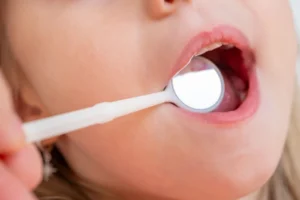
- It is extremely wiggly and moves back and forth and side-to-side without pain.
- The tooth is barely attached to the surrounding gum tissue and may be dangling.
- The new, permanent tooth is visible beneath or just emerging from the gum tissue.
- Your child is brushing their teeth and eating without any comfort while the tooth moves.
- There is no pain or discomfort when your child wiggles the tooth.
Although it can be tempting to quickly pull out an extremely loose baby tooth, it can be a bit traumatic for children who are already nervous about receiving oral care.
When Pulling a Tooth Can Cause Problems
In some cases, you may be tempted to pull out a loose baby tooth as soon as it starts to wiggle, this can cause more problems in the long run. In many cases, pulling a baby tooth before it is truly ready to come out can lead to significant pain and bleeding, which can make it more difficult to address loose teeth in the future.
Additionally, pulling a tooth before it’s ready to come out can put your child at risk of developing an infection in the tissue. Bacteria may get trapped in the gums, which can lead to oral health complications down the road. Finally, this premature removal can also cause damage to the underlying permanent tooth.
If pulled too soon, the neighboring teeth may crowd the permanent tooth as it grows in, leading to misalignments that can only be corrected through orthodontic care. Instead of rushing to remove your child’s baby teeth, it is best to allow them to loosen on their own to protect them from discomfort and further complications.
 Safe Ways to Help a Loose Baby Tooth Fall Out
While it is often in your best interest to allow your child’s loose baby teeth to fall out on their own, there are a few things you can do to help move the process along more quickly. If your child’s tooth has recently become loose, incorporate the following into their routine:
- Encourage wiggling using their tongue or clean fingers.
- Feed them crunchy foods like apples, carrots, or celery to help loosen the tooth.
- Maintain good oral hygiene practices which will naturally loosen the tooth.
- Rinse their mouth with warm saltwater to keep the area clean.
- Apply a clean, wet washcloth to the area to apply increased pressure.
When to See a Dentist for a Loose Baby Tooth
While most loose baby teeth fall out without issue, there are certain signs that indicate it’s time to call your dentist. If the tooth has been loose for several months without falling out, or if your child is experiencing continuous, intense pain or swelling around the tooth or gums, professional intervention may be necessary.
Another key reason to seek dental care is if the new permanent tooth is emerging before the baby tooth has fallen out, a condition often called “shark teeth.” This can affect the permanent tooth’s alignment. Additionally, if the area shows signs of infection or if the tooth was loosened due to trauma or injury, a dentist should examine your child immediately.
 Visit North View Dentist for Your Pediatric Dentistry
When your child is dealing with significant discomfort as a result of their loose baby tooth, it is essential that you reach out to a trusted dental team as soon as possible. If you’re looking for a reliable dentist in the North Ogden area, turn to our team at North View Dental. With years of experience helping patients of all ages find relief from oral irritations, we’re confident that we’re the perfect partner for relieving your child’s discomfort as well.
If you would like to schedule an appointment for your child to discuss a loose baby tooth, don’t hesitate to contact us today.

