

Brushing and flossing are an essential part of your everyday life. Even if you’re rushing out the door in the morning or tired at the end of the night, putting off this care can have major consequences. One of the biggest risks of skipping essential dental care is the risk of dental calculus buildup. This buildup compromises the health and appearance of your smile.
If you’ve recently noticed dental calculus buildup, you may find yourself considering at-home solutions. But is this the best course of action to take when your oral health is already compromised? In this blog, we’ll explore what calculus is, whether it can be removed at home, and how you and your dental team can work together to improve your oral health.
What is Dental Calculus?
Throughout the day, plaque builds up on your teeth. This sticky film, made of bacteria, must be removed through comprehensive brushing and flossing. While this is a normal process, failing to adequately address this buildup can have major consequences. Because it is sticky, this film doesn’t disappear on its own. If left unchecked, the layers build upon themselves and harden.
When hardened, it becomes what is known as tartar or dental calculus. Plaque can turn into tartar in as little as 24 hours, making it essential to brush and floss twice a day. This hardened substance develops above and below the gum line, compromising your oral health. Once hardened, dental calculus removal becomes much more difficult.
Calculus buildup can result in the development of chronic bad breath, yellow or brown stains on your teeth, and swollen gums. As soon as this buildup emerges, you need to plan for removal. Letting it go unchecked can result in gum recession, infection, and increased tooth decay, ultimately leading to deterioration in overall oral health.

Can You Remove It At Home?
If you’ve noticed dental calculus buildup on your teeth, you may be tempted to purchase at-home scraping tools to attempt removal on your own. While this may seem like a quick, easy, and inexpensive way to remove this buildup, it can be incredibly risky. There are several major risks associated with attempting at-home dental calculus removal. Some of these risks include:
- Enamel Damage: Using at-home tools may cause permanent damage to your enamel. Once your enamel is damaged, it cannot be restored, leading to increased sensitivity and a higher risk of more frequent tooth decay.
- Inadequate Removal: When you’re performing at-home dental calculus removal, there is a risk that you won’t fully remove it. If there is still lingering calculus, you are prone to developing this buildup again.
- Soft Tissue Injuries: Some people may accidentally cut their gums, tongue, and cheeks while attempting to remove dental calculus at home. These injuries open the fragile tissue up to potential oral infections.
- Gum Damage: Your gums are incredibly delicate. If you aren’t careful when removing dental calculus at home, your gums may begin to recede even further, leading to increased sensitivity.
Although it may be an inexpensive way to address this buildup, it is always in your best interest to contact your trusted dental team. With their comprehensive training and years of experience, you can trust that they’ll provide you with complete removal, restoring your oral health and protecting you from future oral health complications.
How Your Dental Team Addresses Calculus
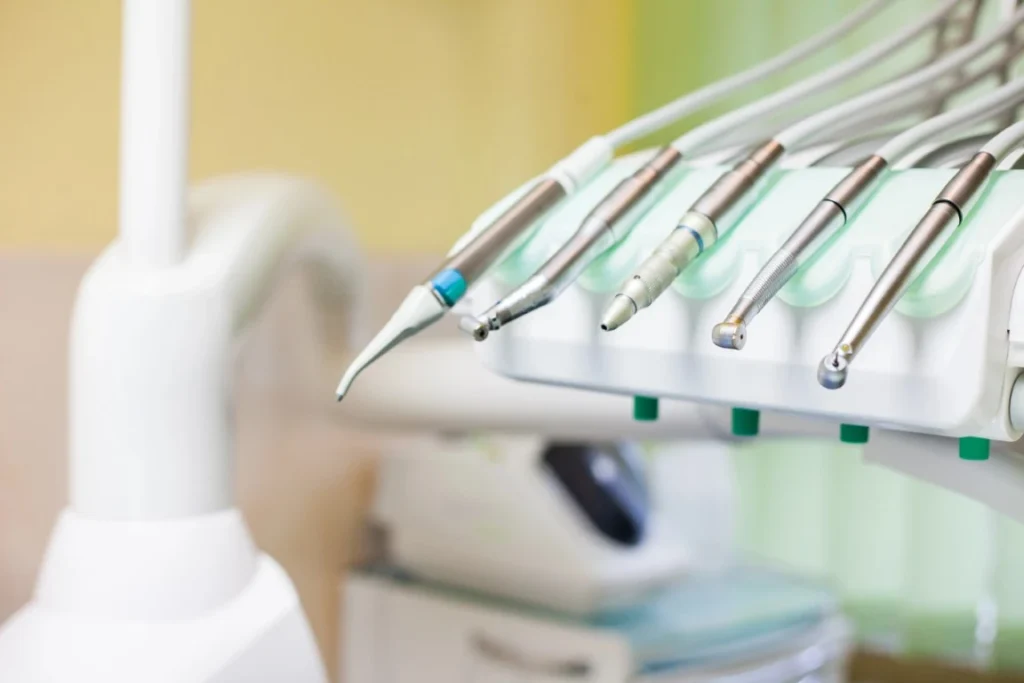
If you are dealing with dental calculus buildup, your best course of action is to turn to a trusted dental team for support. They have the tools and training to ensure it is removed thoroughly, preventing repeat buildup problems. But how is their care different from using store-bought removal tools to address this buildup?
When treating dental calculus, your team will use a cleaning process called scaling and root planing. Your hygienist will use ultrasonic scalers and high-frequency vibrations to gently remove these deposits. Then, with hand-held tools, they will remove any small remaining pieces of calculus to ensure all residue is addressed.
Finally, they will gently smooth the root surfaces of your teeth, which may make it difficult for your gums to reattach. After this appointment, you may experience increased sensitivity as your gums heal. With the use of over-the-counter pain medication, salt water rinses, and a comprehensive oral hygiene routine, your teeth and gums should recover well.
How to Prevent Calculus Buildup
The easiest way to treat dental calculus is by preventing it in the first place. One great way to do this is by following a strict oral hygiene routine. You should brush your teeth twice daily and floss at least once a day. This brushing and flossing removes food particles, plaque, and harmful bacteria that may contribute to the buildup of calculus.
You should also remember to drink plenty of water throughout the day. As you drink, harmful bacteria and lingering food particles are washed away, keeping your mouth safe from harm. In addition to drinking plenty of water, it is best to limit your consumption of sugary and acidic foods and beverages, and incorporate more fruits and vegetables into your daily diet.
Finally, don’t forget to schedule your twice-yearly dental appointments. During these appointments, your dental team will clean away tough plaque and tartar you may not be able to reach, ensuring your smile is fresh and bright. They can also provide oral hygiene advice to ensure your daily routine is meeting your needs.

Protecting Smiles Across North Ogden
Calculus buildup can significantly compromise the health of your smile, but an expert dental team can help you remove it and restore your oral health. If you’re looking for a reliable dental team in the North Ogden area, turn to our North View Dental team for support. No matter how complex your oral health problems may be, we have the training, tools, and experience to help you through it all. With our commitment to quality care and compassion, you can trust that we’re doing everything possible to help you achieve your smile goals.
When you’re ready to schedule an appointment with our skillful dental team, don’t hesitate to contact us today.

